 |
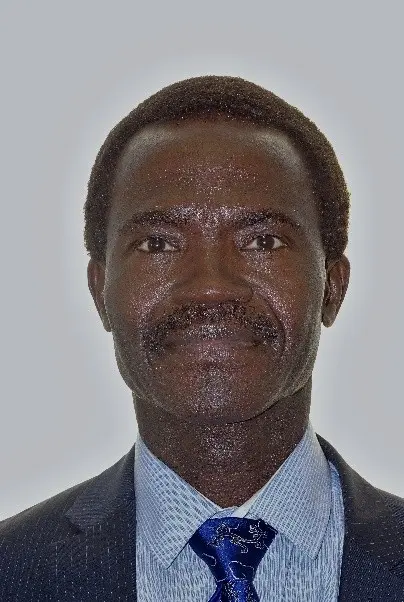
In this deeply reflective interview, Professor Andre D.L. Batako challenges conventional narratives around sustainability and circular economy. While many organizations present themselves as “green,” he raises fundamental questions about ethics, global inequality, and whether true circularity is even achievable in today’s economic systems. |
| Reader in Sustainable Advanced Manufacturing Technologies, The General Engineering Research Institute, Liverpool John Moores University, UK |
Today many companies label themselves as green. Where is the line between genuine sustainability and greenwashing?
There is still a large gap between real sustainability and what is often presented as such. In many cases, companies focus only on the end-of-life phase of products, while ignoring the origin of materials and the full supply chain.
True sustainability should start from raw materials—how they are sourced, where they are processed, and what impact this has on local communities. Too often, this dimension is missing.
For example, if raw materials are extracted in one country and processed elsewhere without considering local value creation, then sustainability becomes questionable. In such cases, it is more about perception than real impact.
Is the idea of a circular economy truly achievable?
In its current interpretation, a fully circular economy is very difficult to achieve. Materials degrade over time, and recycling often reduces quality. It is not a perfect cycle—it is more of a spiral where material value gradually decreases.
More importantly, the human factor is often missing from the discussion. True sustainability must consider people, not only materials and processes.
At the moment, so-called circular economy models are not equally beneficial for all regions. Advanced economies often benefit more, while resource-producing countries remain at a disadvantage. This raises serious ethical questions about global fairness and distribution.
What are the main ethical challenges in sustainable manufacturing today?
One of the biggest issues is inequality in global supply chains.
For example, critical materials for batteries and green technologies are often extracted in poorer regions, where environmental and social conditions can be extremely difficult.
While developed countries speak of net-zero targets and green transitions, these goals are often achieved by extracting resources elsewhere. This creates a system where sustainability in one region may depend on exploitation in another.
Ethics, therefore, becomes central: who benefits from sustainability, and who bears the cost? What is more dangerous? Moving too slowly toward sustainability, or moving too fast without ethical considerations?
How can these challenges be addressed?
There is no simple solution, but awareness is the first step. Sustainability must be approached as a global responsibility, not a regional advantage.
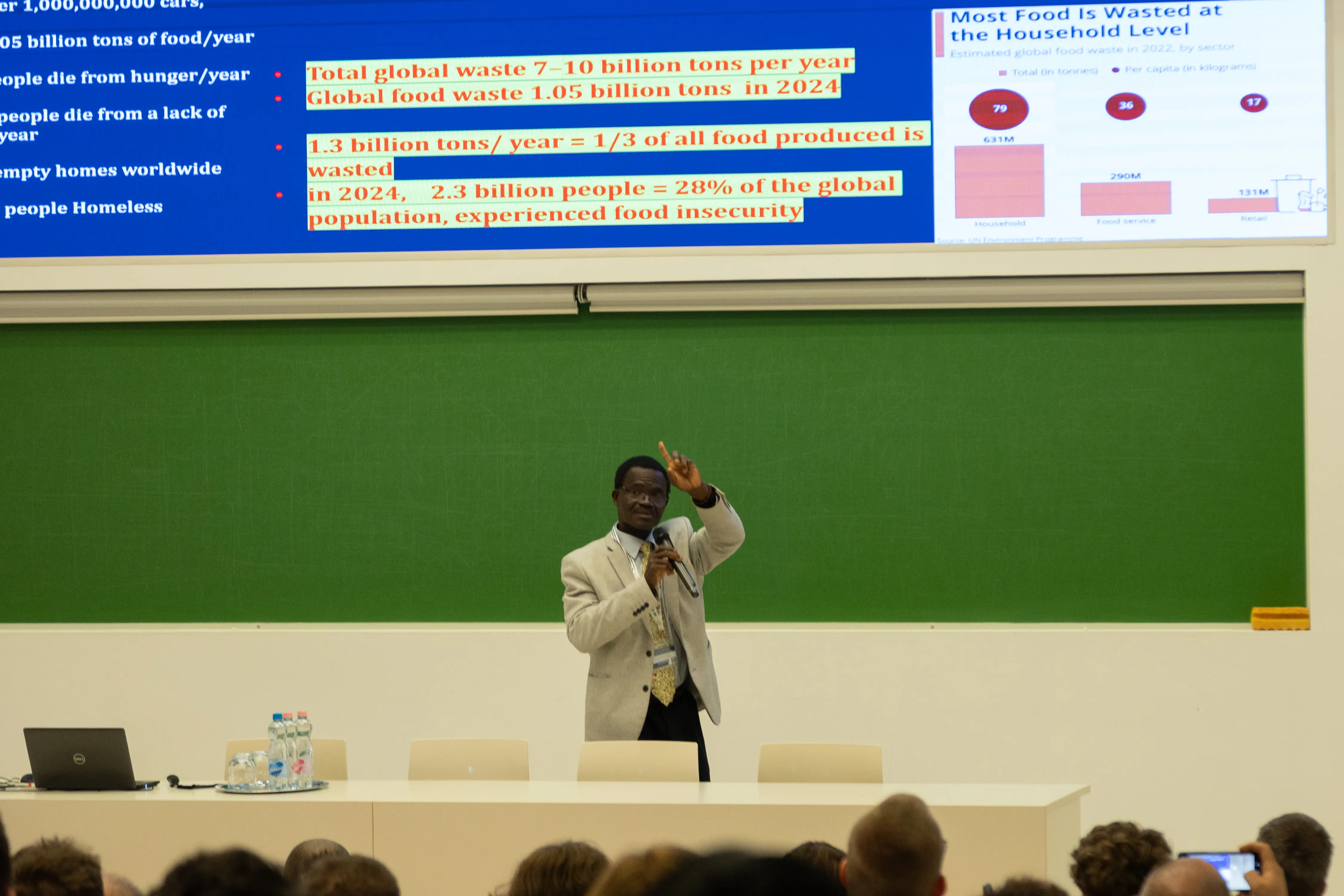
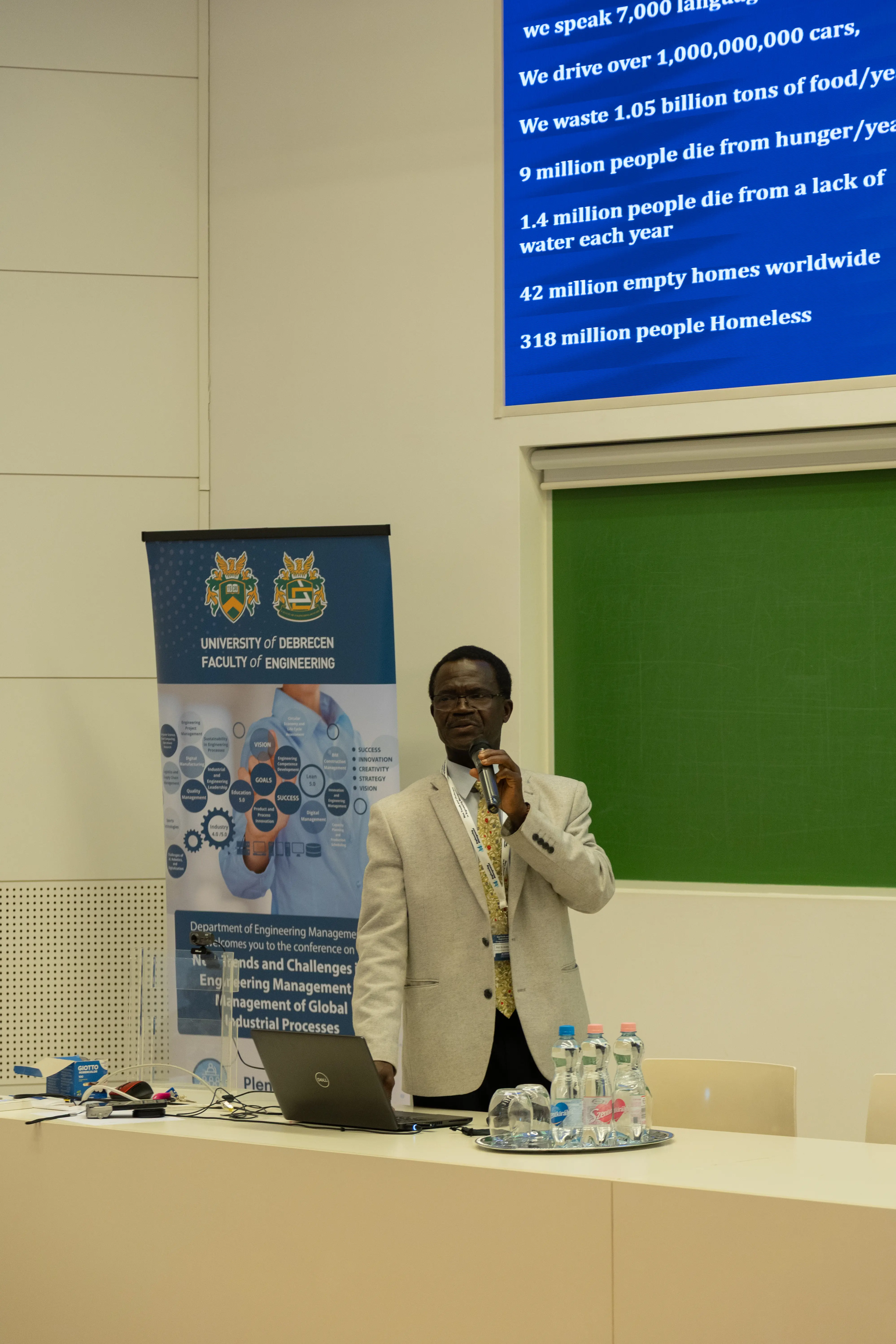
The main message of my presentation was that a radical change in mindset is necessary. At the moment, sustainability is often driven by political agendas and short-term targets rather than long-term ethical thinking. Real change will require at least one or two generations of education and awareness-building.
Education is key—because when people understand the system, they can make informed decisions and challenge inequality.
What motivated you to accept the invitation, and how do you see future collaboration?
For me, it is not just about convincing others—it is about hope. Hope that the ideas shared here can plant a seed for change.
If even one person is inspired, that idea can spread and grow. Change happens through awareness and shared understanding.
I also believe collaboration is essential. Real progress requires openness between universities, disciplines, and countries. Whether through joint research or informal exchange, the goal is the same: to learn from each other and work toward more responsible and ethical innovation.
Cs.K.